A travel packing list for family with kids
I've done up a very comprehensive packing list to help parents pack when traveling for the first time with babies and children. As I've listed items which can be used for babies and young children as well, please pack the neccessary.
Travel Packing List

Monday, 30 June 2014

Wednesday, 11 June 2014
Braised ee-fu noodles with lobster

5 Baby Lobster
1 Packet of ee-fu noodles
1 Bunch of garlic cloves
1 Can of straw mushrooms (quartered)
10 Shitake mushrooms
10 slices of ginger
3 tablespoon of coconut oil/ cooking oil
600ml of water + 2.5 tablespoon of cornstarch (mix and set aside)
Sauce
3 tablespoon of oyster sauce
2 tablespoon of soy sauce
1/2 teaspoon of black pepper
3 tablespoon of sugar
1 teaspoon of sesame oil
3 tablespoon of shao xing wine
Cooking Method:
1) wash and scrub the lobster clean cut into half
2) Heat up a pot of boiling water and boil the noodles for abt a minute. Drain and rinse with tap water and set aside
3) Heat up a wok and put coconut oil.
4) Stir-fry the ginger till aromatic
5) Add the shitake mushrooms and saute
6) Add the lobster and stir fry till it turns red
7) Add the sauce, followed by the cornstarch mixture
8) Add the garlic chives, and straw mushroom
9) Stir to coat evenly, cover lid and simmer till lobster is cooked.
10) Remove lid and add in the noodles for a quick stir.
11) Dish out and serve immediately
Ways to help relieve Bronchitis or Cough
My little girl unfortunately had Bronchitis at the age of 6mths old, from that period on it just keeps recurring and I had tried several methods to aid in the recovery which I thought might be useful to share with other parents with the same concerns.
1) Thru western medication:
*Do note that this is preferably to be prescribed by the doctor
Usually she has to undergo through nebulization to inhale the medications, such as atrovent, ventolin and pumicort
*Tip: For younger babies who doesnt know how to inhale properly for effective medication, you can try to make them cry as crying naturally opens their mouth and lungs to inhale properly. As my girl started to neuberlize at 6mths old, we had to make her cry in order for the medications to be inhaled as she doesnt know how to breathe in deeply.
Medications such as singulair may also be prescribed by the doctor but do note the side effects so that you can pre-empt the school staff or caregiver. Extract from wiki about the negative side effects: Side effects include gastrointestinal disturbances, headaches,, hypersensitivity reactions, sleep disorders, and increased bleeding tendency, in addition to other generic adverse reactions. Its use is associated with higher incidence of Churg-Strauss syndrome. Drowsiness is also a common side effect.
2) Thru chinese medication
When she was first having bronchitis at 6mths old, I went to Fu Hua to buy their top grade of Chuan Bei Mu (Also known as Fritillaria) and request to have it grinded to powder.
At 6months old, her dosage was half a teaspoon, three times daily, one hour after her western medication to help dissolve the phelgm.
After she turned one year old, from then onwards we replaced chuan bei with Hou Ning (a type of Hou zao san) from Eu Yan Seng. Its pretty expensive, so if you want to try a cheaper alternative you could pop by neighbourhood TCM shops to buy hou zao san too.
3) Thru diet
1) Thru western medication:
*Do note that this is preferably to be prescribed by the doctor
Usually she has to undergo through nebulization to inhale the medications, such as atrovent, ventolin and pumicort
*Tip: For younger babies who doesnt know how to inhale properly for effective medication, you can try to make them cry as crying naturally opens their mouth and lungs to inhale properly. As my girl started to neuberlize at 6mths old, we had to make her cry in order for the medications to be inhaled as she doesnt know how to breathe in deeply.
Medications such as singulair may also be prescribed by the doctor but do note the side effects so that you can pre-empt the school staff or caregiver. Extract from wiki about the negative side effects: Side effects include gastrointestinal disturbances, headaches,, hypersensitivity reactions, sleep disorders, and increased bleeding tendency, in addition to other generic adverse reactions. Its use is associated with higher incidence of Churg-Strauss syndrome. Drowsiness is also a common side effect.
2) Thru chinese medication
When she was first having bronchitis at 6mths old, I went to Fu Hua to buy their top grade of Chuan Bei Mu (Also known as Fritillaria) and request to have it grinded to powder.
At 6months old, her dosage was half a teaspoon, three times daily, one hour after her western medication to help dissolve the phelgm.
After she turned one year old, from then onwards we replaced chuan bei with Hou Ning (a type of Hou zao san) from Eu Yan Seng. Its pretty expensive, so if you want to try a cheaper alternative you could pop by neighbourhood TCM shops to buy hou zao san too.
3) Thru diet
Most FM that we give to our kids are cows milk which is known to cause more phelgm.
If you're feeding breast milk, do continue doing so to pass them the antibodies.
Else you can try switching to soy milk for the interim.
There's also a list of food items which are to be avoided as it will induce phelgm or prolong the recovery. These include: Fish, chicken, cold or sweet food, citrus fruits and vegetables such as tomatoes, oranges, certain fruits like grapes also induce phelgm.
Thursday, 3 April 2014
Braised Fresh Abalone & Mushrooms

Ingredients:
6 Dried Scallops, pre-soaked
12 Dried Shitake Mushrooms, pre-soaked
1 pack of Frozen Fresh Abalone (8pcs)
1/2 tablespoon Oyster Sauce
1 tablespoon of Dark Soya Sauce
1 tablespoon Chinese Cooking Wine
Chicken Stock
5-6 pieces of rock sugar
Cornstarch
Method:
1. Drain the water from dried scallops, mushrooms sieve and set aside the water for later use.
2. Place the scallops, shitake mushrooms, and abalone into the thermal pot
3. Add in the water used to soak the scallops and mushrooms into the pot.
4. Add chinese cooking wine and sufficient chicken stock to cover the ingredients.
5. Bring to boil for about 10mins and keep into the outer pot.
6. 8hours later or just before serving, add the dark soya sauce and rock sugar and simmer for another 10-15mins.
7. Remove and plate the scallops, mushrooms and abalone.
8. Bring the sauce to boil, and add in the cornstarch to thicken the sauce.
9. Remove and pour the sauce over the ingredients.
Tuesday, 25 February 2014
Taiwanese style 卤肉

500gms pork belly meat
8 Shitake mushrooms (To pre soak if its dried ones, keep the mushroom water)
2 Shallots
3 slices of ginger
3 tablespoon of soya sauce
1 tablespoon of dark soya sauce
2 star anise
1 tablespoon of cooking wine
1 teaspoon of five spices powder
200ml of water
5cubes of rock sugar
Method:
1- Wash and drip by the pork belly. You can paper towel dry it to save time.
2- Cut the shallots, pork belly and mushrooms into cubes.
3- Heat up the wok and add the oil
4- When the oil is hot, add the shallots to stir fry till its fragrant
5- Add in the pork belly and stir fry till it changes colour and some of the oil comes out from the meat
6- Pour in the mushroom and stir
7- Next add in 1 tablespoon of cooking wine,1 tablespoon of dark soya sauce, 3 tablespoon of soya sauce and stir.
8- Sprinkle the five spices powder evenly and stir fry
9- Add the ginger and star anise
10- Add 200ml of water or sufficient to cover the meat, stew for an hour under medium fire
11- Add the rock sugar according to taste, add hard boiled eggs if you want. Cover the lid and continues stewing for another half an hour under small fire.
Tuesday, 28 January 2014
Si En's Weaning Diary: Meesua Soup with wolfberries

Ingredients:
- One knot of mee sua
- Soup stock, about 50ml
- Water, 30ml
- Wolfberries, a handful. Rinse and pre soak in water. Keep the water for later use.
- One knot of mee sua
- Soup stock, about 50ml
- Water, 30ml
- Wolfberries, a handful. Rinse and pre soak in water. Keep the water for later use.
Method:
- Bring the water to boil then add the soup stock.
- When its boiling, add the mee sua and stir it to disperse and cook evenly.
- When meesua is cooked, off the flame and add the wolfberries with the water.
*Depending on how heavy your child's tastebud might be, you can increase the soup stock or water.
Note: I'll personally like to cook it with more soup as the mee sua will absorb the soup quite quickly over time and there might not be much soup left for the child.
As this was given during her early weaning journey, I kept it very basic. But as the child grows you can always add other ingredients like vegetables or meat to give a more well balanced diet.
- Bring the water to boil then add the soup stock.
- When its boiling, add the mee sua and stir it to disperse and cook evenly.
- When meesua is cooked, off the flame and add the wolfberries with the water.
*Depending on how heavy your child's tastebud might be, you can increase the soup stock or water.
Note: I'll personally like to cook it with more soup as the mee sua will absorb the soup quite quickly over time and there might not be much soup left for the child.
As this was given during her early weaning journey, I kept it very basic. But as the child grows you can always add other ingredients like vegetables or meat to give a more well balanced diet.
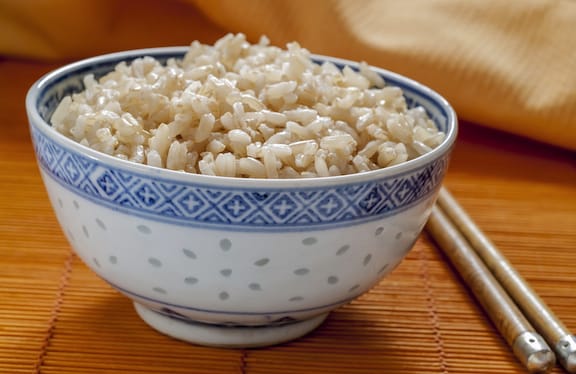
Si En's Weaning Diary: Brown Rice

As I was starting her on her weaning journey, porridge would be one of the first few items that we'll offer as a Chinese thus the hunt of the most "healthy option" started.
My mum has always been advocating eating brown rice as a healthier option as compared to white rice. She has always stated that's the reason why my maternal grandma has lived to a ripe age of 98 despite having taken opium before in her younger days.
Here are the benefits:
1. Rich in Selenium
Brown rice is rich in selenium which reduces the risk for developing common illnesses such as cancer, heart disease and arthritis.
2. High in Manganese
One cup of brown rice provides 80% of our daily manganese requirements. Manganese helps the body synthesize fats. Manganese also benefits our nervous and reproductive systems.
3. Rich in Naturally-Occurring Oils
Naturally occurring oils are beneficial for the body as these healthful fats help normalize cholesterol levels.
4. Promotes Weight Loss
The fiber content of brown rice keeps bowel function at it’s peak since it makes digestion that much easier. Brown rice is the perfect addition to the daily diet for those seeking bowel regularity. In addition, brown rice also makes the tummy feel full which translates to smaller meal portions.
5. Considered Whole Grain
Brown rice is considered a whole grain since it hasn’t lost its “wholeness” through the refinement process. Wholes grains are proven to reduce the buildup of arterial plaque and reduce the risk of heart disease and high cholesterol.
6. Rich in Anti-Oxidants
This is one of the best kept secrets regarding brown rice. We usually associate anti-oxidant rich foods with blueberries, strawberries and other fruits and vegetables. The antioxidant capacity of brown rice is right up there with these super stars.
7. High in Fiber
Brown rice is high in fiber and on top of the list for foods that can help prevent colon cancer. This can be attributed to the high levels of fiber naturally contained in brown rice. These fibers attach to substances that cause cancer as well as to toxins in the body, thus eliminating them and keeping them from attaching to the colon wall.
8. A Slow-Release Sugar
Brown rice helps stabilize blood sugar levels; therefore, it’s an excellent food choice for those suffering from diabetes. Studies show that those who consume one half cup of brown rice daily reduce their risks of developing diabetes by 60%. On the other hand, those who consume white rice regularly increase their chances of developing diabetes 100 fold.
9. Perfect Baby Food
Brown rice cereal or brown rice itself is the perfect baby’s first food due to the dense natural nutrition and fiber it contains. This is a much better choice than refined white rice cereal products as rapidly growing babies and toddlers require nutrient rich diets to help maintain rapid growth cycles.
10. Candida Yeast Infections
Brown rice is the perfect adjunct for candida yeast infection treatments given that high glycemic and otherwise sugary/starchy foods are prohibited during most candida treatment protocols. The natural digestibility of brown rice coupled with the high fiber content can help sensitive digestive systems heal from an overgrowth of candida organisms.
Extract from: Veg Kitchen
When she was younger, I would gind the rice with a bullet grinder and cook it with as porridge. As she grew older, we skipped the grinding part and let her have it as rice.
Subscribe to:
Posts (Atom)